
Understanding Cascading OLT Architecture:
Cascading Optical Line Terminal (OLT) architecture involves deploying multiple OLTs in a hierarchical manner, where each OLT can serve as both a terminal point and a distribution point. This architecture can be particularly beneficial in scenarios where a centralized deployment is impractical or inefficient.
Potential Use Cases for Cascading OLT Architecture:

- Urban and Suburban FTTH Deployments:High-Density Areas: In urban areas with high population density, cascading OLT can help in efficiently managing the distribution of fiber connections to multiple buildings and residences.Scalability: It allows service providers to scale their networks as the number of subscribers grows without needing extensive re-cabling.
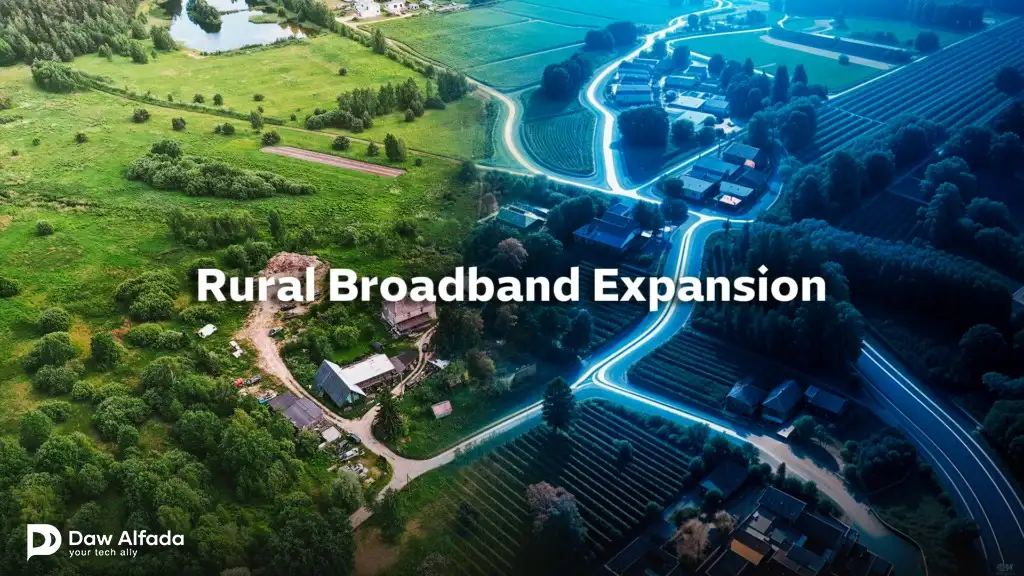
2. Rural Broadband Expansion:
- Long-Distance Connectivity: In rural or remote areas, cascading OLTs can reduce the need for long-haul fiber runs back to a central office, making it cost-effective to provide high-speed internet to distant communities.Distributed Infrastructure: It supports a distributed infrastructure, which can be more resilient and easier to manage in geographically spread-out regions.
- Long-Distance Connectivity: In rural or remote areas, cascading OLTs can reduce the need for long-haul fiber runs back to a central office, making it cost-effective to provide high-speed internet to distant communities.
- Distributed Infrastructure: It supports a distributed infrastructure, which can be more resilient and easier to manage in geographically spread-out regions.
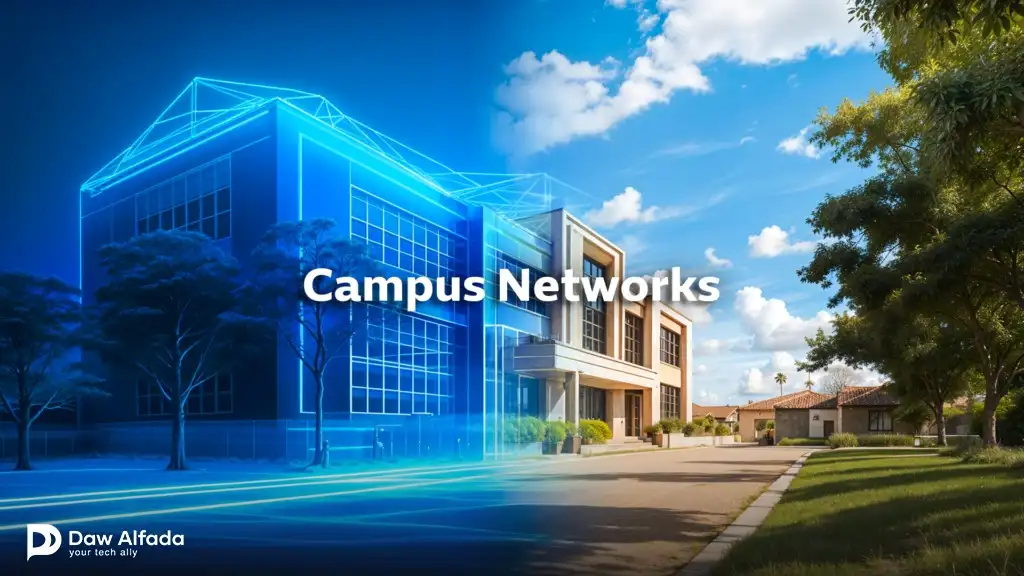
3. Campus Networks:
- Educational Institutions: Universities and large educational campuses can benefit from cascading OLTs by efficiently distributing fiber connectivity across various buildings, dormitories, and research facilities.Flexible Deployment: It allows for flexible deployment and easy scalability as the campus infrastructure expands.
- Educational Institutions: Universities and large educational campuses can benefit from cascading OLTs by efficiently distributing fiber connectivity across various buildings, dormitories, and research facilities.
- Flexible Deployment: It allows for flexible deployment and easy scalability as the campus infrastructure expands.

4. Industrial Complexes:
- Manufacturing Plants: In large manufacturing facilities, cascading OLTs can provide reliable high-speed connectivity for operational technology (OT) networks, connecting various production lines, control systems, and monitoring equipment.Reduced Latency: Ensures low-latency connections essential for real-time industrial applications.
- Manufacturing Plants: In large manufacturing facilities, cascading OLTs can provide reliable high-speed connectivity for operational technology (OT) networks, connecting various production lines, control systems, and monitoring equipment.
- Reduced Latency: Ensures low-latency connections essential for real-time industrial applications.

5. Smart Cities:
- Integrated Services: Cascading OLTs can support a wide range of smart city applications, including CCTV surveillance, traffic management, environmental monitoring, and public Wi-Fi, all integrated over a single fiber infrastructure.Future-Proofing: The scalability and high bandwidth of XG-PON make it suitable for accommodating future technological advancements and increasing data demands.
- Integrated Services: Cascading OLTs can support a wide range of smart city applications, including CCTV surveillance, traffic management, environmental monitoring, and public Wi-Fi, all integrated over a single fiber infrastructure.
- Future-Proofing: The scalability and high bandwidth of XG-PON make it suitable for accommodating future technological advancements and increasing data demands.

6. Military and Defense Installations:
- Secure Communications: Military bases can use cascading OLTs for secure and high-speed communication networks across different sections of the base.
- Robust Infrastructure: Provides a robust and scalable infrastructure capable of supporting various defense applications, including surveillance and command and control systems.
Comparison with DWDM Solution:
Cascading OLT XG-PON:
| Table Header | Table Header |
|---|---|
| Passive Components | Utilizes passive optical splitters, reducing the need for active equipment in the field. |
| High Bandwidth | XG-PON provides ample bandwidth (up to 10 Gbps), sufficient for most applications. |
| Cost-Effective | Lower initial setup and maintenance costs compared to active DWDM systems |
| Simplified Power Requirements | Less need for powering multiple active components along the network path. |
DWDM (Dense Wavelength Division Multiplexing):
| Table Header | Table Header |
|---|---|
| High Capacity | DWDM is capable of carrying multiple wavelengths of light on the same fiber, significantly increasing the capacity (up to terabits per second). |
| Long-Distance Transmission | Ideal for long-haul transmission without significant signal degradation. |
| Active Components | Requires more active components such as amplifiers and transponders, increasing the complexity and cost. |
| Greater Flexibility | Allows for dynamic allocation of bandwidth and is well-suited for environments with highly variable data traffic. |
Conclusion:
Cascading OLT architecture is highly suitable for scenarios where scalability, cost-effectiveness, and ease of deployment are critical. It fits well in urban, suburban, rural, campus, industrial, smart city, and defense environments, providing a robust and flexible solution for high-speed broadband connectivity. For the pipeline project, considering the relatively low data consumption (except for CCTV cameras), cascading OLT XG-PON can be a viable and cost-effective alternative to the DWDM solution, ensuring efficient and reliable communication infrastructure along the pipeline route.